


Sunny weather and summer holidays are just around the corner. So it’s more important than ever to keep babies, toddlers and children hydrated. Children can get easily distracted running around without remembering to stop and drink. Have you noticed if your child becomes more irritable, tired, naughty or just not acting themselves in the heat?
Could it be dehydration? Your child might not be able to explain how they are feeling so keep a check on their symptoms and look out for signs of dehydration and heat exhaustion.

Are they?:
If your child shows any of these symptoms of dehydration here are some tips to quench their thirst and help keep them safe:

Before heat stroke symptoms appear, kids often show signs and symptoms of milder heat illnesses such as heat cramps and heat exhaustion. They are busy bees so running around or playing in the heat means they can loose excessive fluids and salt from sweating.
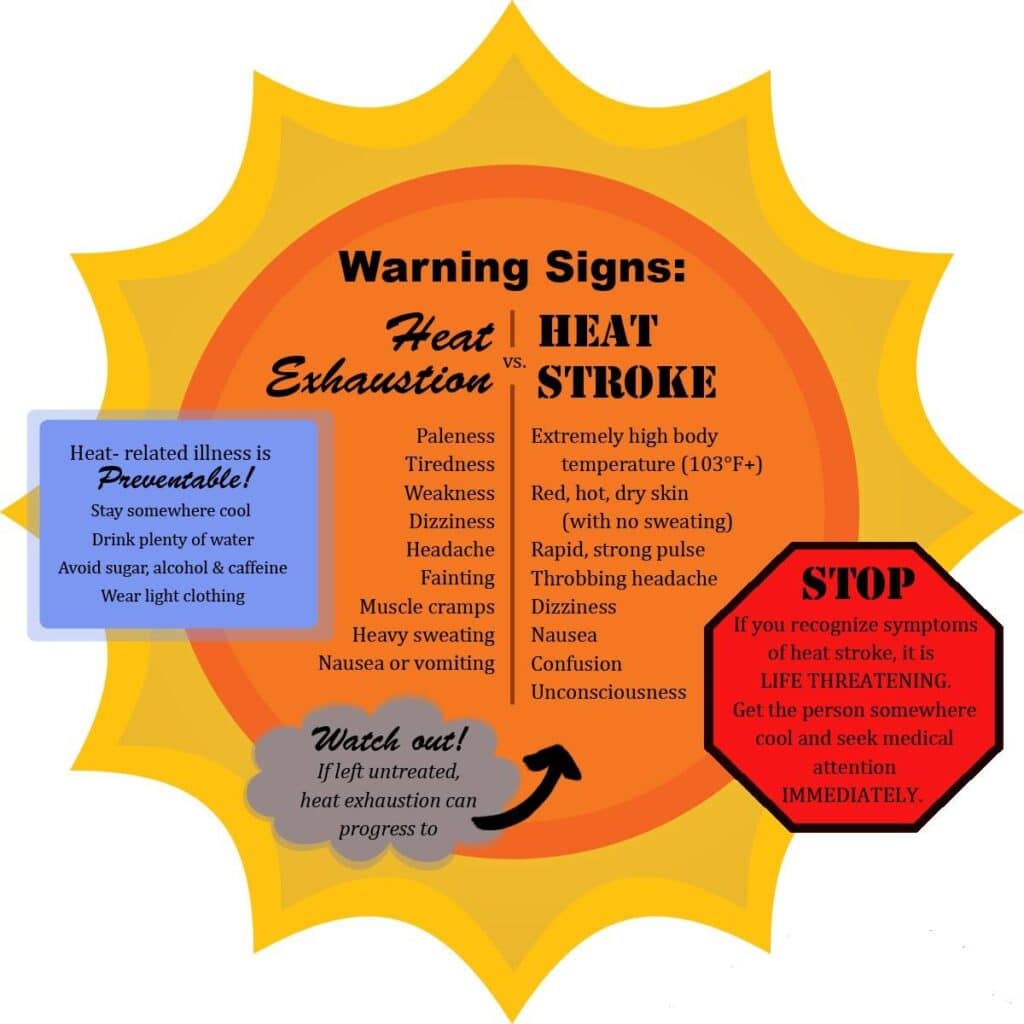
Whereas, heat stroke is a severe type of heat illness that occurs when a child’s body creates more heat than it can release. This results in a rapid increase in core body temperature, leading to brain damage or death if not promptly treated.
Heat exhaustion? Look for:
If your child has heat exhaustion, follow these 4 steps:
Stay with them until they’re better.
They should start to cool down and feel better within 30 minutes.
If dehydration becomes a serious issue and turns quickly from heat exhaustion to heat stroke get medical help immediately. That’s when nausea, high temperature and headache don’t resolve with rehydration within 30 minutes. A child will appear flushed and red, and hot to touch, but remain dry ie. doesn’t have sweat or tears and can be unconscious and floppy. They are at risk of a seizure so should be seen straight away. Call 999.
Put the child in the recovery position if they lose consciousness while you’re waiting for help.
Stay safe everyone in the sun, especially when abroad and above all, keep cool and hydrated.


