

Taking action in the first few minutes of a child having a prolonged epileptic seizure can be life-changing. Buccal midazolam is an emergency rescue medication used to stop prolonged or repeated seizures, but despite how commonly it is prescribed in schools and care homes there is still confusion around one important question – do you need training to administer Buccal Midazolam?
Yes. At Child Matters, our nurse trainers regularly deliver epilepsy and buccal midazolam training to thousands of school staff, parents, carers and healthcare professionals across the UK. All training is delivered by registered nurses with clinical experience in epilepsy management and follows current guidance from the Joint Epilepsy Council (JEC) and the Department of Education.
Most importantly, our training is built around the realities of supporting people with epilepsy in real-world situations, not just textbook theory.
One of the most dangerous assumptions people make is thinking that buccal midazolam is simply another routine medicine.
It is not.
Midazolam is a Schedule 3 controlled drug and a potent sedative. When administered appropriately it can stop a seizure and potentially prevent serious complications. However, if given incorrectly, at the wrong time, or in excessive doses, it can depress breathing and create significant risk.
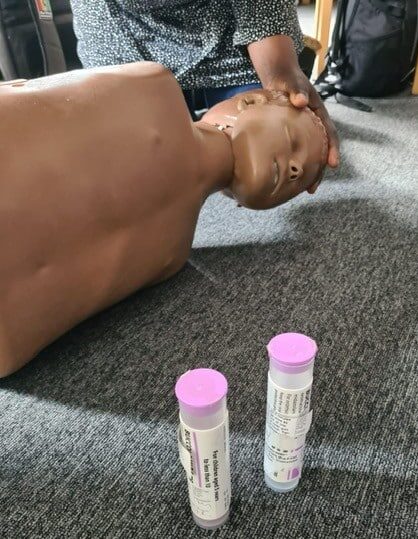
Equally important is understanding that giving the medication is only one part of the emergency response.
The child still requires:
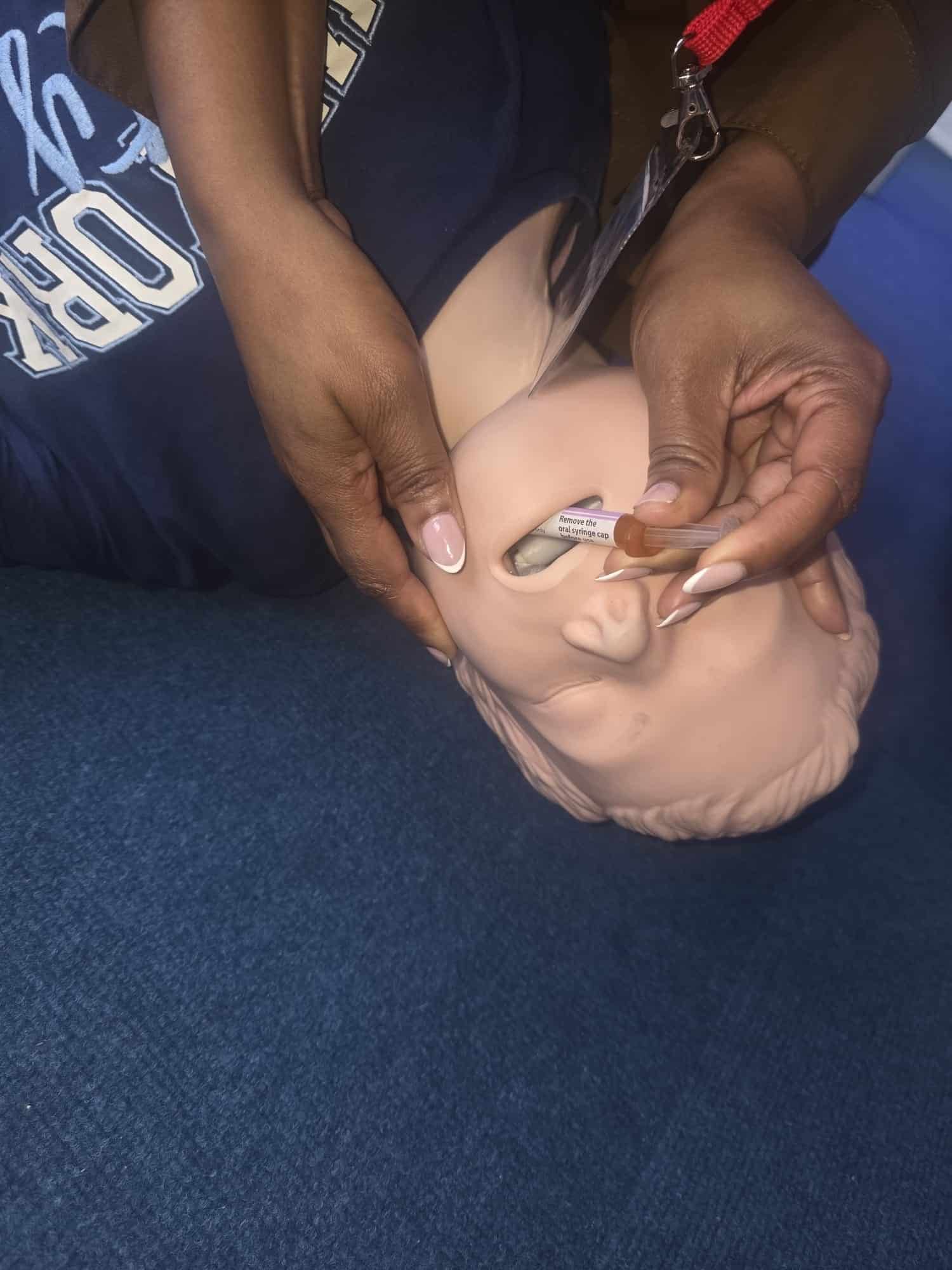
Administering buccal midazolam safely requires calm decision-making, understanding seizure presentation, following an individual care plan and knowing exactly when emergency services are needed.
That level of confidence does not come from watching a short video or receiving a quick handover from another member of staff.
The biggest mistake organisations make is assuming that a quick demonstration or informal handover is “good enough”.
In reality, administering midazolam is a specialist medicines procedure that requires:
and regular refresher training to stay updated with changing guidance, revisit emergency procedures and maintain confidence.
Good training should never focus only on the technical administration steps. It should also build confidence, decision-making skills and teamwork so staff feel prepared to act under pressure.
Seizures are distressing to witness. They often happen unexpectedly and can understandably trigger panic in carers or staff who do not feel adequately prepared. However, training changes how people respond.
When people know what to do, they are far more likely to override panic by focusing on the procedure they have practised and understood.
As nurses we have real clinical experience supporting people with epilepsy.
There is a huge difference between learning from slides and learning from nurses who have:
That practical experience allows trainers to answer the difficult “what if?” questions that staff genuinely worry about.
For example:
These are the situations staff remember because they reflect real life.
One important issue often overlooked is that competency requirements differ between settings.
In Schools
In schools, buccal midazolam administration is usually a delegated healthcare task for named staff supporting a specific pupil.
Training therefore focuses heavily on:
In Social Care
In social care, buccal midazolam sits within a wider medicines administration framework regulated by the Care Quality Commission (CQC).
Competency therefore also includes:
A one-size-fits-all approach to training simply does not work.
Yes.
Not simply because regulations or policies say so, but because the person experiencing the seizure deserves support from someone who feels calm, competent and prepared.
Administering buccal midazolam safely involves far more than giving a medicine.
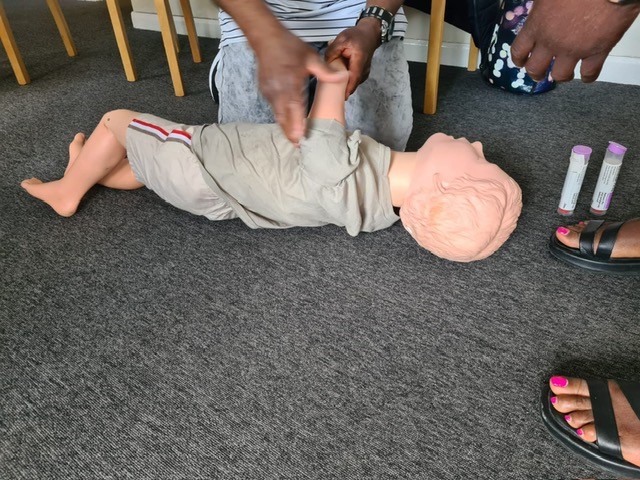
Child Matters teaches Epilepsy Awareness and Administration of Buccal Midazolam for school staff, carers, medical teams and parents.
Child Matters training course is valid for two years, in line with recommendations from the Joint Epilepsy Council (JEC).
The course provides an in‑depth understanding of the different types of epilepsy and seizures, alongside the safe and effective use of Buccal Midazolam as a treatment. It also covers key areas such as dosage, administration, side effects, record keeping, and post‑treatment aftercare.
On completion of the course, participants receive a certificate and can download a CPD credit time statement as evidence of learning.
It covers:
Most importantly, it requires confidence built through high-quality, practical training.


