


The UK has seen temperatures soaring to record highs this spring, which means more families will be visiting beaches and swimming pools across the UK earlier than usual, and sadly more tragic deaths occuring because of cold water shock from swimming in rivers and lakes.
CPR could save your child from drowning. But did you know it’s advised to give 5 rescue breaths followed by 15 compressions for a child victim of drowning? And that the new 2026 Resuscitation Council UK guidance is now 15:2 ratio for CPR in general for children?
Children are more likely to become unconscious due to a problem with a blocked airway, than a problem with their heart. And in a drowning situation this is even more likely as they will have inhaled water into their airways and lungs.
By quickly calling 999 for help and quickly starting rescue breaths, you’ll ensure you give a drowning child the best chance of survival and recovery.
If you can, do rescue breaths with help from the ambulance call handler. First check the airway is clear, tilt the head slightly, lifting the chin and pinching the nose. Take a breath and put your mouth over theirs, making a seal. Blow steadily into their mouth for about one second. Watch for the chest to fall and try five breaths in total.
If no response, do 15 chest compressions. We know that songs with the right tempo are a good way to learn and remember the pace of chest compressions, which should be 100-120 compressions per minute. Think ‘Staying Alive’ or ‘Baby Shark’. In a real emergency an ambulance call handler will count the beat with you, so don’t worry if a song doesn’t spring to mind.
The ambulance call handler will instruct you to interlock your fingers, place your hands in the centre of the child’s chest, and push down hard and then release twice per second, until further help arrives using a ratio of 15 compressions to 2 breaths.
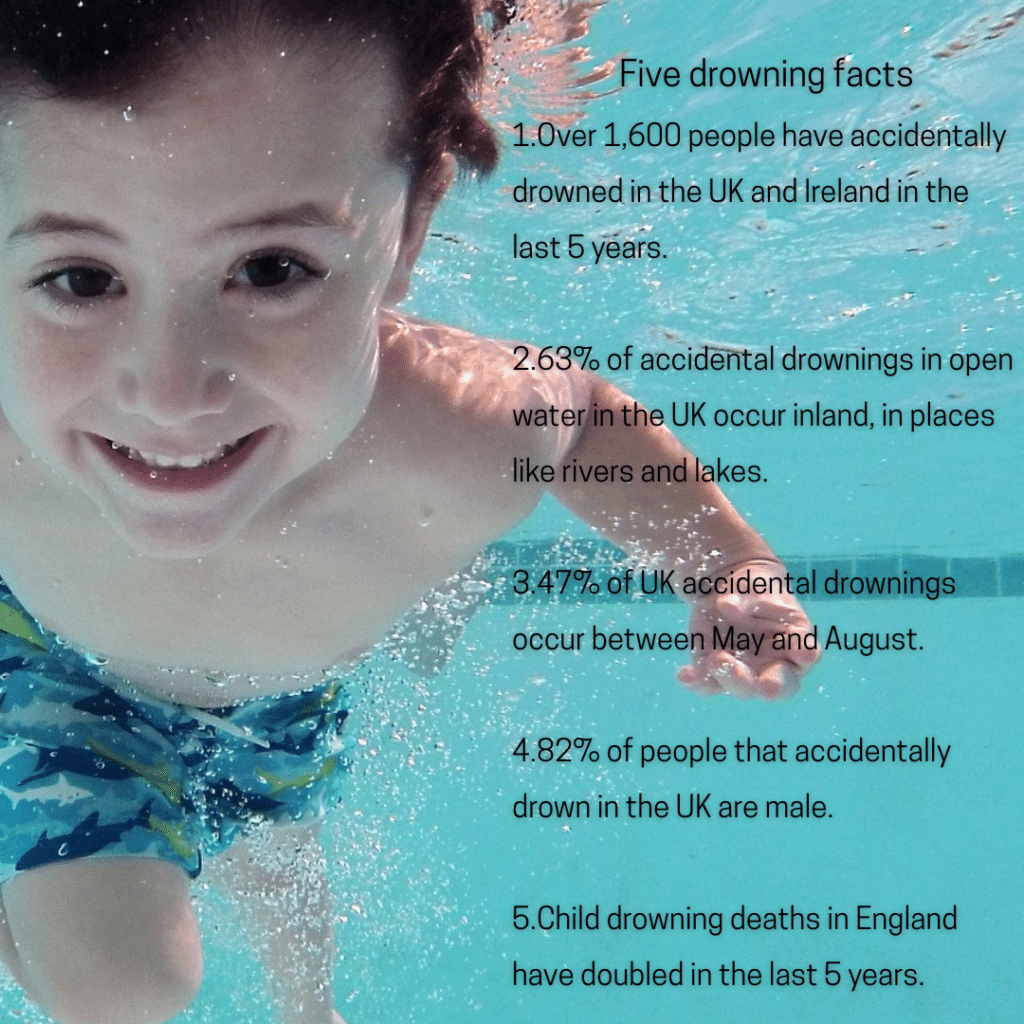
1. If you see a child in trouble, call 999 or 112 and ask for the coastguard or fire and rescue.
2. If there is something that floats to hand, throw it to them but don’t enter the water yourself.
3. As soon as the casualty has been rescued from the water, check if they’re breathing. Can you see their chest rising? Do they respond when you shake them?
4. If the child is unresponsive and not breathing, give them five initial rescue breaths before starting CPR. The ambulance call handler can guide you through this if your phone is on loud speaker. Once you’ve done this, start CPR: Remember 15 chest compressions, then two rescue breaths.
- interlock your fingers
- place your hands in the centre of the chest
- push down hard and then release twice per second, 15 times. The ambulance call handler will help you.
- for an infant under 1, use the two thumb encircling method.
6. If they start breathing again at any time, treat them for hypothermia by covering them with warm clothes and blankets. If they recover completely, replace their wet clothes with dry ones.
7. Keep checking breathing, pulse and level of response until help arrives.
8. Even if they appear to recover well, keep checking on them for signs of a submersion injury 4-8 hours later.


