
“Shock” has long described someone, and adult or child, who becomes critically unwell after an accident, serious illness or major injury. First aiders and first responders used the term when severe trauma required urgent medical care. Emergency services also asked bystanders about signs of shock to assess the child’s condition and prioritise a potentially life-threatening emergency.
New ILCOR guidance (from 2025 Consensus on Science with Treatment Recommendations (CoSTR). is replacing the term “shock” with “seriously ill” this year—a clearer term that will increasingly appear in CPR and first aid training. And its not just the term that is changing but also the expansion of signs and symptoms to look out for.
In everyday language, “shock” can mean surprise or distress. Social media often overuses the word shock in its headlines, devaluing its meaning, such as ‘Man shocked at the size of his credit card bill’. This has blurred its medical meaning and the word shock may make a serious emergency sound less urgent.
Clinical shock however is life-threatening and should be taken seriously. It happens when poor blood flow stops enough oxygen reaching the organs and tissues.
A child may show several signs of physical and mental changes such as:-
Skin: Cold, clammy, sweaty or pale, with a possible blue or grey tinge around the lips, fingernails or face.
Breathing and pulse: Fast, shallow breathing and a rapid but weak pulse.
Mental state: Anxiety, restlessness, confusion, dizziness, severe weakness or difficulty standing.
Other signs: Nausea, vomiting, intense thirst, fainting or loss of consciousness.
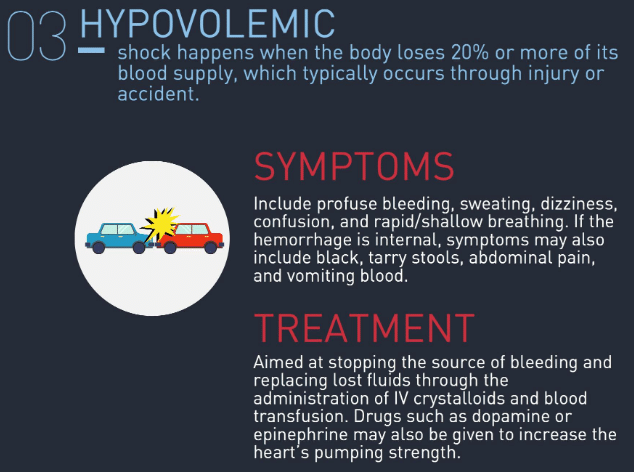
People no longer understand what ‘being in shock’ really means and so can mistakenly alert attention when it’s not serious or equally fail to alert attention and miss that it is serious – they can mistake “shock” for emotional surprise, minor injuries or distress. It’s just no longer a clear term.
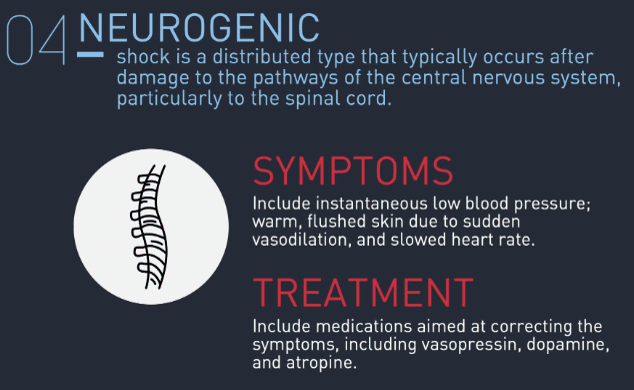
“Seriously ill” makes the urgency clear and helps bystanders act quickly because they can more easily recognise the seriousness of the emergency.
Another reason for the word change is that it also encourages first aiders to look beyond “shock” signs for warning signs of severe illness, including anaphylaxis, major blood or fluid loss and sepsis.
Sepsis is a life-threatening response to infection. It can progress to septic shock and become fatal within 12 hours. Each hour of delayed treatment may increase the risk of death by 4–9%.
First aiders will soon be taught to look for combinations of the following signs to trigger emergency medical services if the person displays any of these changes:
The new wording will be introduced gradually in first aid training and used by first responders and hospital staff.
If the ambulance staff are informed correctly and as early as possible, as to just how seriously ill a person is, they can respond accordingly. The goal is simple: recognise severe illness sooner, give the right first aid and share clearer information with medical teams.
You may notice the word “shock” gradually disappearing from training sessions and manuals and being replaced with ‘seriously ill’ over time.


