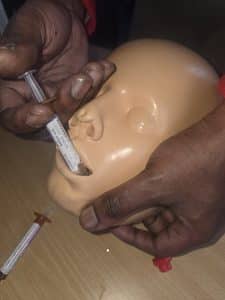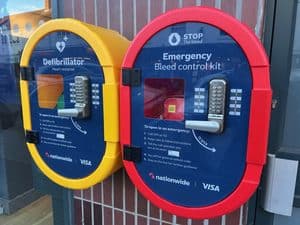


Did you know women are 27% less likely than men to receive bystander CPR? Research by ambulance services found that one in three people would be reluctant to perform CPR on a woman in public, often because of concerns about touching her breasts, exposing her chest, removing clothing or positioning defibrillator pads incorrectly.
As first aid instructors, we have an important opportunity to address these concerns clearly and confidently during our lifesaving training. Every second counts during a cardiac arrest, and everyone deserves the best possible chance of receiving lifesaving treatment.
As Bra Off Defib On ambassadors, we have taught thousands of people how to perform CPR and use a defibrillator on women. Our training includes practical manikins with breasts and bras, helping learners develop the confidence to respond effectively in a real emergency whether its a man or woman.
In a cardiac arrest, lifesaving action must come first. CPR technique does not change because a person has breasts, and AED pads must be placed directly onto bare skin in the positions shown in the accompanying diagram.
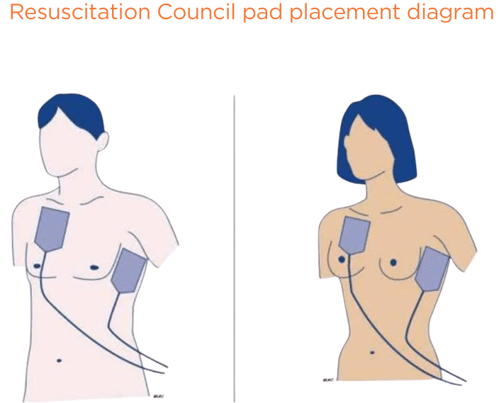
Current Resuscitation Council UK guidance advises that, where possible, a bra may be adjusted or lifted so the pads can be applied correctly to bare skin without delay. If the bra obstructs correct pad placement, it should be removed or cut away.
During our training sessions, we advise cutting the bra away to remove uncertainty and ensure clear access for pad placement. Chest compressions however can begin while the bra remains in place.
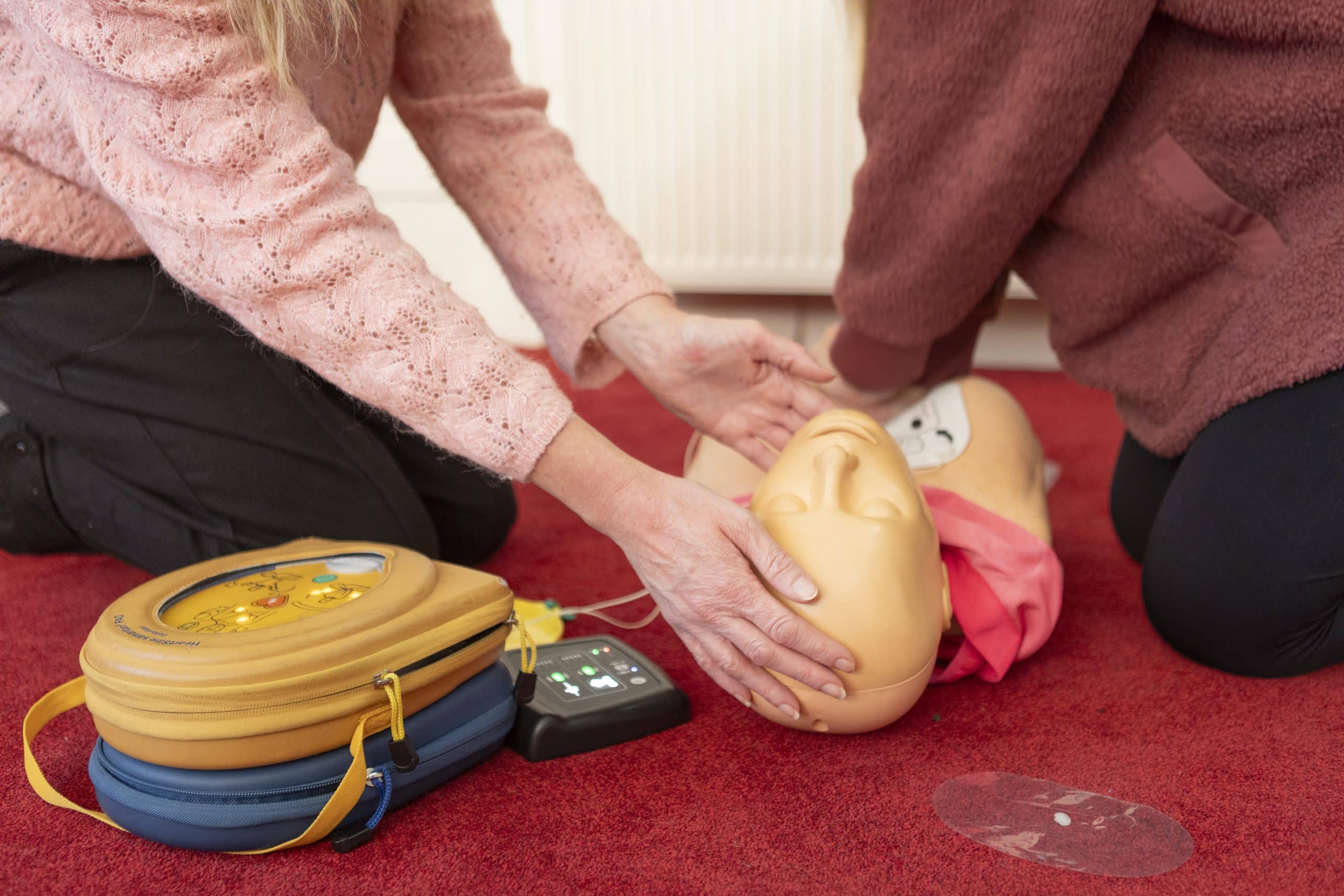
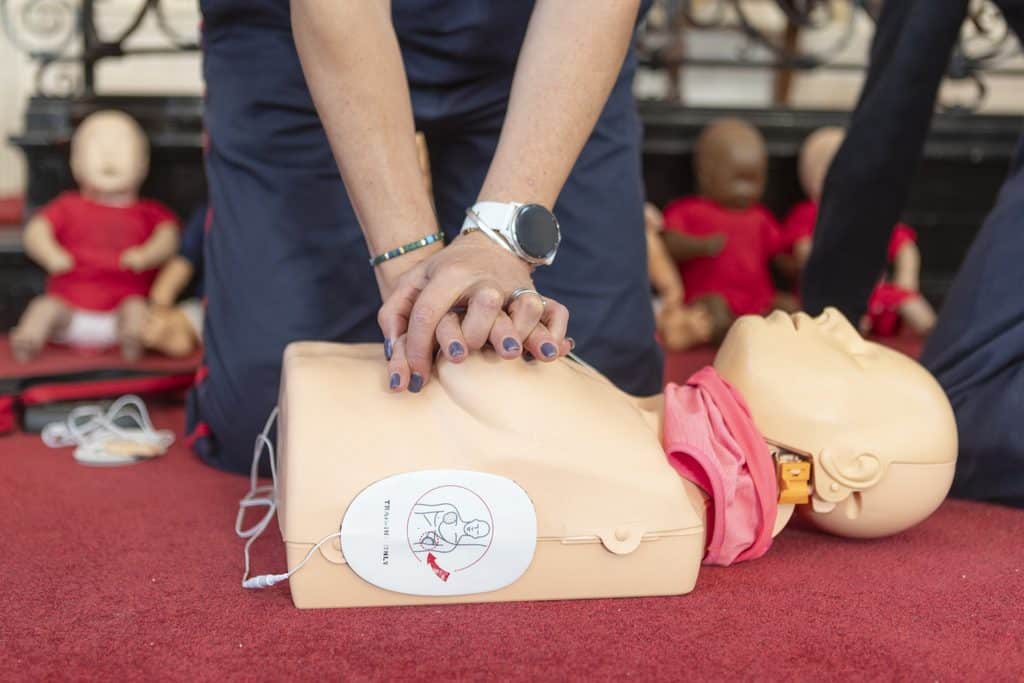
If a woman is in cardiac arrest, do not hesitate: call 999, begin CPR and use a defibrillator as soon as one is available.
A defibrillator delivers an electrical shock through the heart. Correct pad placement ensures that the electrical current travels across the heart effectively; incorrect placement may reduce the effectiveness of the shock.
For a defibrillator to work effectively, the pads must be applied directly to bare skin: one just below the right collarbone and the other on the left side of the body, below the armpit. Clothing, including bras, can obstruct accurate pad placement and may prevent the device from analysing the heart rhythm or delivering a shock correctly.
Correct pad placement: removing or adjusting the bra allows full contact with the skin and provides the best chance of effective treatment.
Myth-busting: underwired bras
The issue is not the metal underwire; it is ensuring clear access to bare skin and direct, effective electrical flow across the heart.
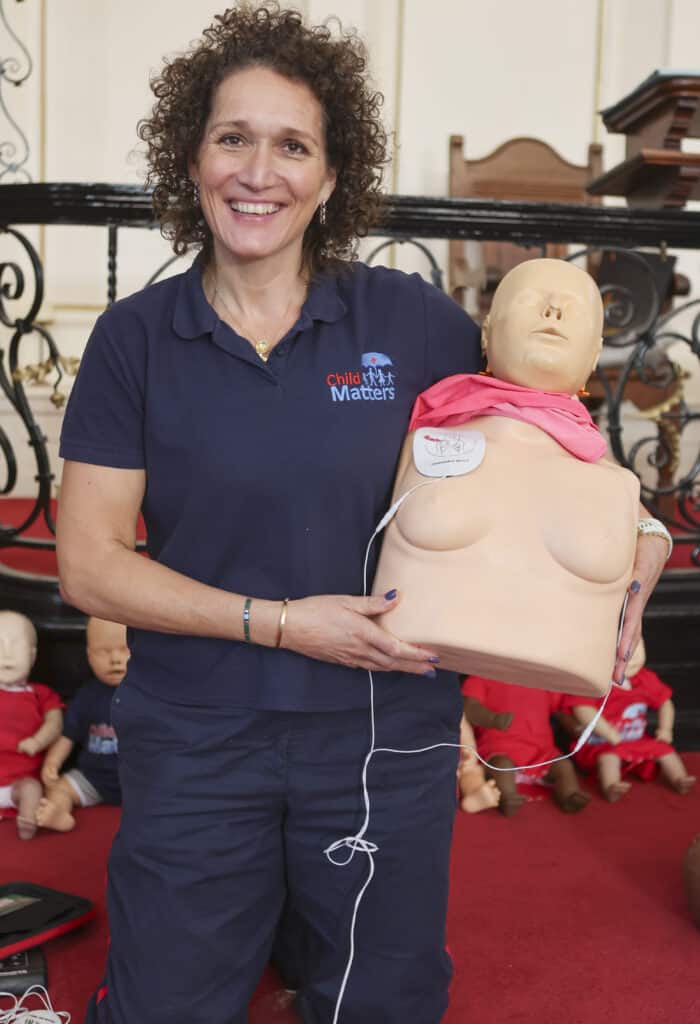
A message from the Bra Off Defib On team:
Thank you for being part of Bra Off Defib On and for helping us educate, empower and influence change. Together, we can help ensure that a person’s gender does not affect their chance of survival when they need a defibrillator. Team BODO, Bra Off Defib On.
To feel confident in delivering CPR or using a defibrillator, join one of our many public paediatric first aid training courses. We can deliver Emergency First Aid at Work on these exact same dates.
Or Contact Us if you’d like us to come to your setting to train your team. We can tailor the training to the needs of your workplace. Whether you have a question about which course is right for you, you are not clear on how to book, pricing, want to get a quote or have an unusual training requirement, we’ll get back to you as soon as possible.