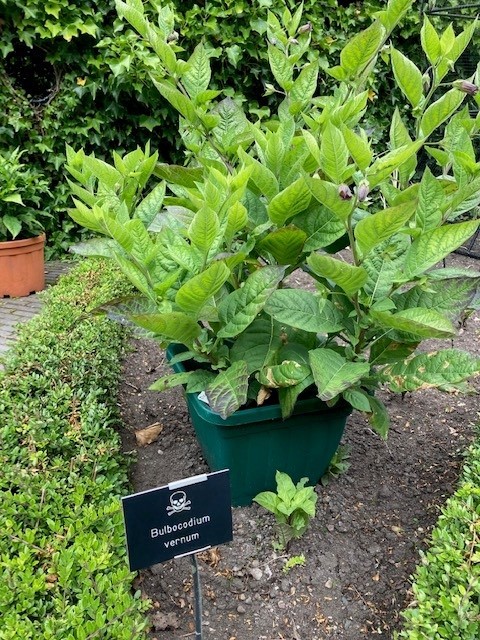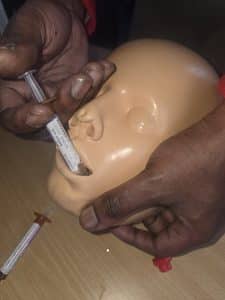

Did you know that there are hundreds of plants and trees in family gardens, country parks and even lurking in allotments that are poisonous if ingested. Even plants that you’d associate as being safe, such as foods: rhubarb and aubergine, can have harmful toxic leaves.
Everyone knows about stinging nettles but there are many other plants that can cause severe skin irritations if touched.
So it’s important to teach children NEVER to eat or pick a plant, it’s leaves, bark, berries or flowers. Toddlers who are especially curious will be drawn to the brightly coloured berries so should never be left to wander alone.
And be aware that some plants are even poisonous if inhaled when cut. So gardeners make sure you dispose of them carefully and wear gloves.
Lets explore a few of the 10 most common:-
Found everywhere in Spring this is the second most poisonous tree in the UK with its beautiful yellow flower/blossom hanging down. It’s so severely poisonous that if a dog were to chew on a broken branch that had fallen a month earlier it will still become very poorly.

Did you know that the Willow Tree contains Aspirin used for medicinal properties? Larger doses ingested can thin your blood causing you to bleed internally.

The seeds of a foxglove are the most poisonous and the leaves are just before it flowers. It is used to made the heart drug ‘Digoxin’ used to slow down a heart rate.

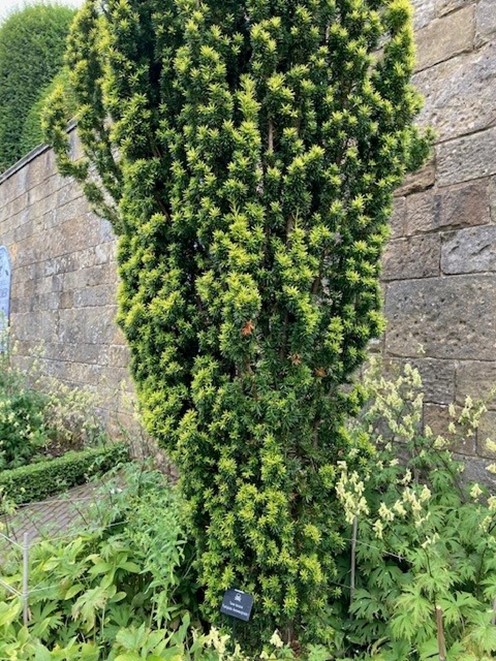
This is an Irish Yew but ALL Yew trees in the UK are so poisonous they can kill you in only 20 minutes. It produces a substance used in a medicine called ‘Taxol’ which is used to treat cancers.
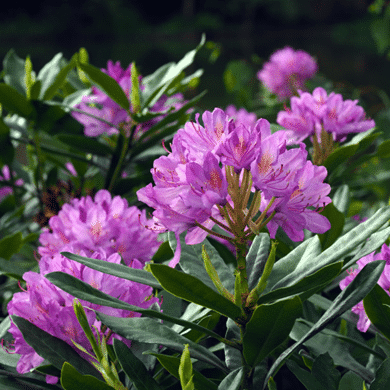
A beautiful Spring bloom found in many country parks and gardens. It attacks the central nervous system if leaves are swallowed.
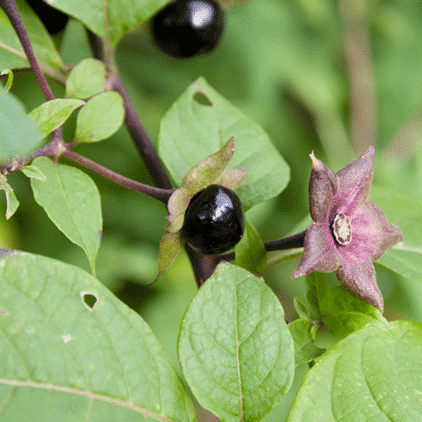
All parts of this plant are toxic, but the berries are especially poisonous and it would only take one berry to kill a child. They contain a mixture of tropane alkaloids that affect the nervous system. Atropine, in particular, can cause sweating, vomiting, breathing difficulties, confusion, hallucinations and potential coma and death.
It also has a pupil-widening effect that was known in ancient Greece. An extract of ‘belladonna’ (Italian for ‘beautiful woman’) was used to make eye drops which were applied by women to dilate their pupils.
One of the most common plants used to beautify English gardens across the country turns into deadly cyanide when cut, starving the nervous system of oxygen.

Victorians created death jars and they did this by getting a jar and getting a laurel leaf, cutting it in half, popping half into the jar, catching a butterfly and putting it in the jar with the lid on top. The poor butterfly dies because the cyanide given off by the leaf starts to build up.
So gardeners be careful when trimming this hedge and dispose of the leaves cautiously.
Two key alkaloids found in snowdrops are lycorine and galantamine; both are also found in daffodils. Though not potent enough to kill, ingesting snowdrop or daffodil bulbs can lead to diarrhoea and vomiting.

The sap of this giant hogweed can cause burns. It contains furocoumarin, which makes skin extremely sensitive to sunlight (phytophotodermatitis).
If the sap gets onto your skin and it’s then exposed to the sun, your skin can blister badly known as phytotoxicity. Brushing through patches of giant hogweed might cause you to get sap on your skin so stop little ones from running through it.
Here’s what happens if you touch giant hogweed.
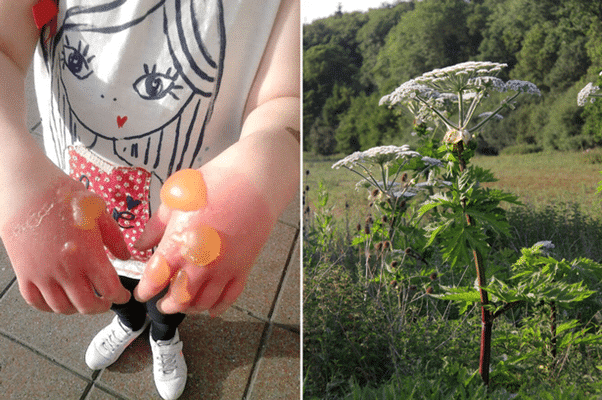
Be sure to wash the area thoroughly and immediately. Seek medical advice and do not expose the area to sunlight for a few days.
This is a low-growing perennial with purple-pink stemless, open, funnel-shaped flowers and linear leaves that continue to grow after the flowers are spent. All parts are toxic if eaten and can cause kidney damage, dehydration and even death from respiratory failure.