


As hospitals across the UK continue to deal with pressure, dialing 999 could mean waiting a long time for an ambulance. At the moment the NHS is under increasing strain and the UK’s ambulance services are under more pressure than ever, with a number of critical incidents being declared at health trusts.
If you are first on the scene and find a child or adult who has collapsed or had an accident, what you do in those first minutes is critical, and that the first aid you give whilst waiting for the ambulance often means the difference between life and death.
So what should you do if you’re with someone waiting for that ambulance to arrive?
The first thing to do is to keep calm and administer first aid.
Here are a few examples of emergency situations you may find yourself in and how to give first aid while you are waiting:-
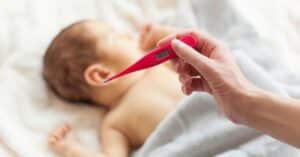
Febrile convulsion in a child
It can be scary when a child has their first febrile convulsion. You can help manage the seizure by placing your child on the floor with rolled up towels or cushions around them, keeping them cool by removing clothing, opening windows and giving them paracetamol to help lower their temperature.
Put them in the recovery position if you can until the ambulance arrives.
Dealing with a child burn
If a burn is to the face, chest, genitals or any large surface area it is important to call an ambulance or get them urgent medical care.
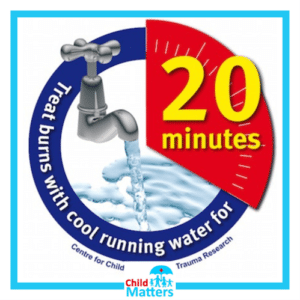
In the meantime you can make a huge difference to prevent scarring and helping manage pain by cooling the burn with cool running water for at least 20 minutes. If you don’t do this, your child’s skin can continue to burn long after. You have up to 3 hours afterwards to cool the burn to have an impact on how it heals.
Then cover with clingfilm – it’s quick, sterile and doesn’t stick.
Possible heart attack in adults
This is always a medical emergency. While you’re waiting for the ambulance, encourage the patient to sit down in an upright position. If they’ve been prescribed a 300mg aspirin (or the ambulance instructs this) they should chew this, and you must phone the emergency services.
If they lose consciousness and stop breathing – start CPR and use an AED if possible.
Difficulty breathing in children
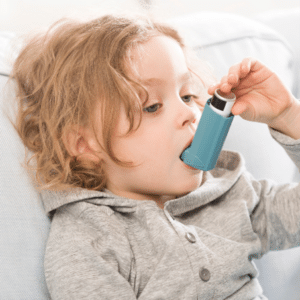
When a child is struggling to breathe, the easiest position for them, is sitting in an upright position. You should try and establish why they are having difficulty and if they have any medication to help, and if they are asthmatic.
Find their blue asthma inhaler – keep giving 2 puffs via spacer every few minutes up to 10 puffs.
They could be having an acute allergic reaction. If so, help them to administer any medication such as an auto injector straight away. And if their condition gets worse, let the ambulance control centre know and listen to their advice.
Possible stroke in an adult
In the situation where an ambulance is delayed and you feel safe transporting them, take them there yourself. It is of critical importance that they are assessed as soon as possible, because if they have a blood clot and are treated quickly enough it may be possible to reverse damage.
Possible spinal injury in children and adults
If the patient is conscious and you are concerned that they may have damaged their spine, try and encourage them to stay still and avoid twisting their back or neck.
If they are unconscious and breathing, you should very carefully roll them into the recovery position, protecting their neck and back to avoid twisting.
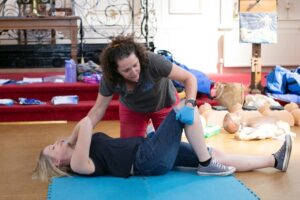
If they stop breathing, you should start CPR.
When a child or adult is unconscious
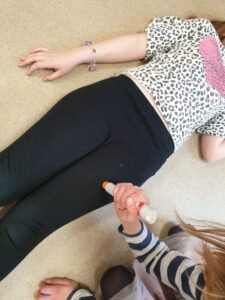
Place an unconscious but breathing child or adult into the recovery position to protect their airway.
If they are not breathing normally, phone an ambulance, put on speakerphone if you are on your own, and start CPR and use an AD without delay.
For a child do five rescue breaths and 30 compressions and two further breaths before phoning an ambulance.
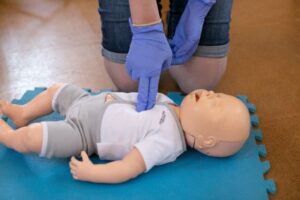
For confidence in dealing with any first aid emergency you can attend a local Child Matters first aid class run by paediatric nurses who have worked in A&E. You’ll learn how to deal with burns, seizures, bleeds and other emergencies as well as practising hands on CPR and how to use an AED.
Get in touch with us for latest training dates or to arrange a course in the comfort of your own home. Email Claire at contact@childmatters.info


