


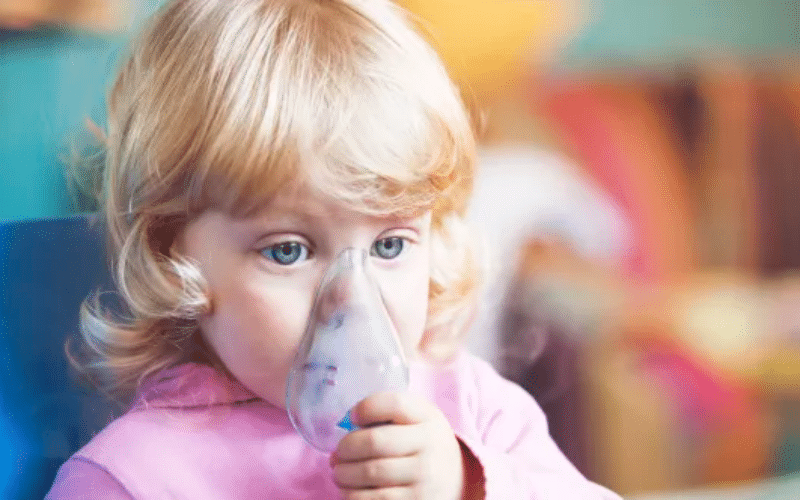
RSV, a condition that can cause bronchiolitis, is on the rise in infants. Hospitals are even using former ‘covid wards’ to support increasing numbers of children arriving at paediatric A&E this summer. RSV and other common respiratory infections have been suppressed by social distancing, isolations and mask wearing over the autumn/winter months where they would normally thrive but are now on the rise as babies and children mix at nurseries and schools.
Most respiratory illnesses are harmless causing a mild cough or rise in temperature, although irritating for both parents and their little ones as they disturb sleep! Most of the time a cough isn’t serious, an important reflex that helps protect the airways in the throat and chest. Children often cough so much that it triggers their gag reflex, making them vomit. And a kid who has a cough with a cold or an asthma flare-up might throw up if lots of mucus drains into the stomach.
But…sometimes coughs like bronchiolitis and asthma can become serious, especially in babies where their airways are small and developing and can become inflamed causing them to struggle to breathe. So how do we know when to get help and which coughs are ok?

What does it mean? Mucus runs down the back of the throat at night (known as a postnasal drip), and most likely there is a runny nose to contend with too. Your child could have fever and thick, green mucus, may be a sinus infection.
The likely cause is: An infection (such as a cold, sinusitis, or pneumonia), or allergies.
How to treat? Use saline nose drops (or a bulb syringe to clear babies noses as they are too young to blow themselves), and offer lots of fluids to help thin the mucus. Dairy products (milk, yoghurts, etc) can often thicken the mucus, so limit where you can, although young babies under one will still need milk for their daily nutrient intake. For children one year and older, you can give a teaspoon of honey, as needed. It thins secretions and loosens the cough. Help your child drink plenty of fluids. Staying well hydrated thins the mucus, making it easier to cough and blow the nose. Prop up the head of your child’s cot or bed to help reduce night-time coughing. A good way to do this is by putting a pillow under the head of the mattress which will raise your child slightly, and won’t move around and dislodge during the night.
When to call for help? A cough with a fever of 39°C (102° F) or higher can sometimes be due to pneumonia, especially if a child is weak and breathing fast. Or your child can’t stop vomiting. Both cases, call your doctor immediately.
What does it mean? There is irritation somewhere within your child’s airways.
The likely cause is: An infection, allergen, or other irritant, such as dust, pollen, or smoke, that produces little or no mucus. Cold air or activity can make coughs worse during the daytime. Try to make sure that nothing in your house — like air freshener, pets, or smoke (especially tobacco smoke) — is making your child cough.
How to treat? Soothe it as you would wet coughs. If you suspect the cough is allergy-related, do your best to limit your child’s exposure and wait it out.
When to get help? Speak to your doctor if your child has taken less than half their usual amount during the last 2 or 3 feeds, or they have had a dry nappy for 12 hours or more, your child has a persistent high temperature of 38C or above or your child seems very tired or irritable and/or breathing is rapid or noisy. Bronchiolitis is a common lower respiratory infection effecting under 2 year olds. Read ahead about wheezing.
What does it mean? Your child’s airways are constricted and/or inflamed and you may hear them bark like a seal, have a hoarse voice or a rasping sound when breathing in. You may see their tummy sucking inwards, pulling air hard to get it into their chest or their breathing sounds different like a whooping sound on breathing in (called stridor), their skin or lips start to look blue or grey or they are unusually quiet and still.
The likely cause is: Croup, a viral infection that’s usually worse during the night.
How to treat? Sit with your little one on your knee in a steamy bathroom for 15-20 minutes, or go outside in the fresh air if it’s cool (not cold). Always assess coughs and breathing with clothes off.
When to call for help? How is your child breathing? What muscles are they using? Use of the respiratory muscles is usually subtle and calm, any infection or distress engages ‘accessory muscles’ which can be seen by additional use of stomach and diaphragm. Dipping in at the base of the sternum or trachea (neck). Sucking in between the ribs, front or/and back (accessory muscles). An increased respiratory rate is assign the body is working harder and requiring additional oxygen!
SIGNS THAT YOUR CHILD IS HAVING AN ASTHMA ATTACK ARE:
These steps could save your child’s life so make sure you know them.

What does it mean? Your child is literally coughing all the air out of her lungs, then taking in a deep breath.
The likely cause is: Whooping cough, a bacterial infection known as pertussis.
How to treat? Call the doctor at once. Antibiotics may be prescribed to make your child less contagious, but these won’t treat the cough or shorten its duration. This can be a dangerous infection in babies, which is why staying on top of the pertussis shot is so important.
Contact Us to arrange a family first aid course in the comfort of your own home.
Sources: Asthma UK, NHS


