First aid essentials for teenagers – surviving university for the first time

Teenager off to university? Read our first aid essentials for teenagers surviving university for the first time. 

Surviving university means dealing with a whole range of bacterial nasties from the infamous freshers’ flu to mumps and meningitis. And, with hundreds of new people to mix with from all over the globe it’s easy to pick up a virus. Poor diet, lack of sleep and stress can make you more vulnerable too. And we know that as teenagers you’re more likely to push boundaries, take risks, suffer from stress and have accidents.

DID YOU KNOW THAT:-

  • More than 532,000 young teenagers have been left to cope with a drunken friend who was sick, injured or unconscious in the last year
  • 1 in 4 young people have had to deal with asthma attacks
  • 1 in 3 teenagers have had to cope with someone with a head injury
  • 16-25 year olds are the second highest group at risk to meningitis and freshers in particular are vulnerable to the disease
  • When faced with these emergency situations, 44% panicked and 46% simply didn’t know what to do.

(Source: British red cross survey 2017 & www.meningitisnow.org)

Here are some of the most common medical and accident emergencies and how to deal with them to help with surviving university.

MY FRIEND IS DRUNK AND UNCONCIOUS:

  • Get medical help if your friend can’t stay awake, has vomited a lot and has been injured, especially if they have a head injury.
  • If they need medical help there are minor injuries units, walk-in centres, NHS 111 and chemists. Make your own way to hospital or call an ambulance dialing 999.
  • What you should do is different depending on how your friend is doing but make sure they are lying on their side in the recovery position, kept warm, perhaps with a jacket or blanket over them. You should also stay with them to reassure and monitor.
Recovery position
  • DON’T move your friend from where they are, pour water into their mouth or over them to try and wake them up.

(Source: Drinkaware.co.uk)

MY FRIEND IS HAVING A BAD REACTION TO DRUGS:

  • They may be anxious, panicky, overheated or dehydrated.
  • Don’t put yourself in danger if they are violent
  • Sit them in a calm quiet room and tell them to take slow deep breaths.
  • If they are unconscious call an ambulance immediately, check they are breathing and put them in the recovery position.
  • Let the ambulance crew know what drugs they have been taking.
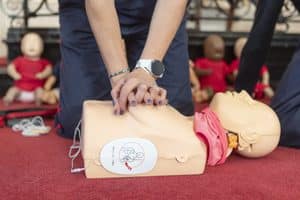
  • If they are not breathing, you may need to start CPR.

SOMEONE’S FALLEN AND HURT THEIR HEAD:

  • A paracetamol or ibuprofen will relieve a mild headache and applying ice will help with swelling.
  • If the person has an object embedded, a very large bump, vomits more than once, has a persistent headache, finds it hard to walk, complains of changes to vision, is sleepy or has a fit/convulsion take them to A&E or call 999 immediately.
  • If you think they may have a spinal injury, it is still absolutely vital to protect their airway and ensure they continue to breathe. Just avoid twisting their spine. Maintaining a clear airway by rolling them into the recovery position if they are unconscious and breathing.
  • Treat bleeding by applying direct pressure; watch for signs of shock and phone for an ambulance.

I’M HAVING AN ASTHMA ATTACK

AM I STRESSED?

  • Work out what it is that’s making you anxious. Is it exams, feeling homesick? Or money or relationship problems? Ease the pressure and change your circumstances.
  • Eat well, get enough sleep, exercise regularly, cut down on alcohol, and spend some time socialising as well as working and studying.
  • If you have a panic attack or are in a stressful situation, try to focus on something outside yourself, or switch off by watching TV or chatting to someone.
  • Relaxation and breathing exercises may help.
  • Try to resolve personal problems by talking to a friend, tutor or someone in your family.
  • The NHS Choices Moodzone have 8 free mental wellbeing podcasts to watch.

(Source: NHS)

IS IT FRESHERS’ FLU OR MENINGITIS?

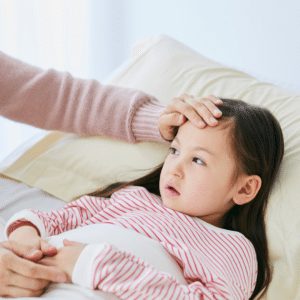
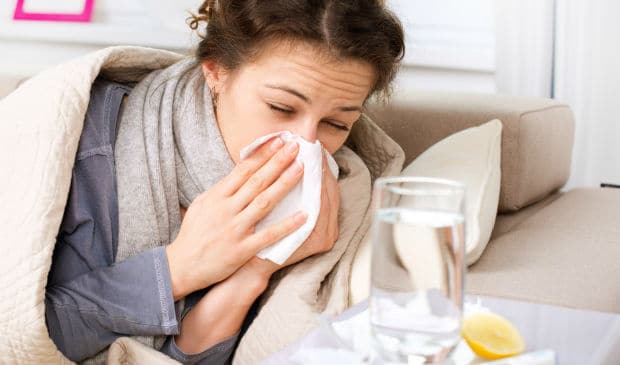
  • If you’re feeling shivery, have a fever, dry cough, sneezy, headache or grogginess, chances are you’ve got freshers’ flu!
  • Rest, rehydrate and take paracetamol. The partying can wait!
  • If you have severe headache, stiff neck, joint pain, sensitivity to light, drowsiness or vomiting too it could be meningitis. Don’t wait for a rash to appear – call 999.
  • A Men ACWY vaccine, which protects against A,C,W and Y meningococcal bacteria, is available for all 17-18 year olds and uni entrants 19-25 can request a vaccine 2 weeks before starting university.
  • Download the FREE ‘Meningitis Now’ App.

FIRST AID ESSENTIALS FOR TEENAGERS – TAKE A COURSE

First Aid is an essential life skill and helps young people remain safer by appreciating risk and being able to help each other if they are involved in a medical emergency. These skills can be used at parties, on the sports pitch, babysitting and whilst doing Duke of Edinburgh Expeditions or Sports Leadership Awards.  Parents feel far more confident leaving their little ones with someone equipped with the skills to help if there is an accident and Sports and kids clubs view First Aid skills as a necessity.

Therefore not only are the skills hugely valuable, likely to be used and could save a life; the qualification gained is likely to increase a young person’s chances in this highly competitive world.

97% of young people, believed first aid education would improve their confidence, skills and willingness to act in a crisis!

Book on our latest public First Aid Course on 16th September 2019. We run scheduled and bespoke courses for groups of friends and are happy to tailor them for specific requirements such as university, GAP years, babysitting and sports qualifications.

GET IN TOUCH today!